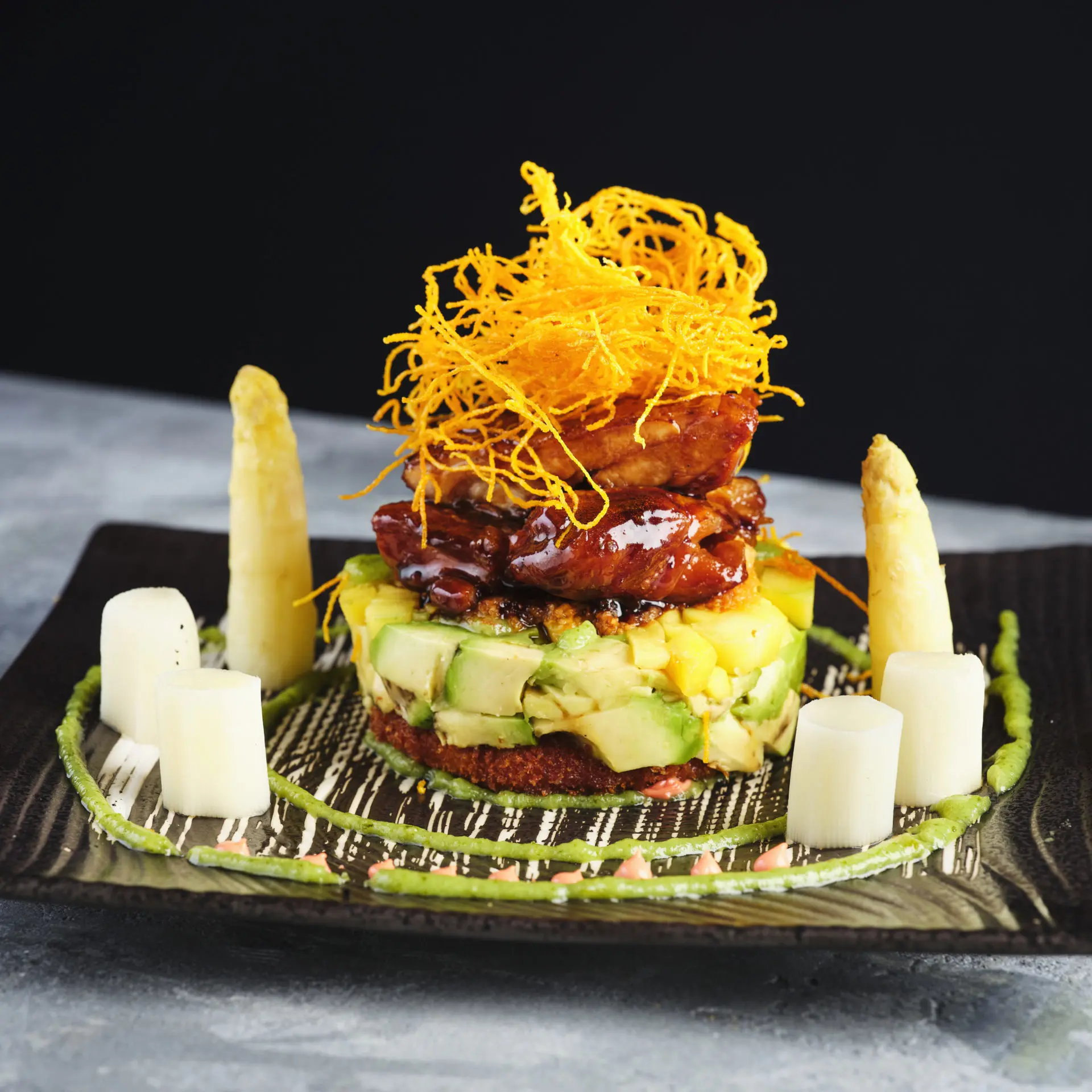
Japanese fusion cuisine combines the techniques of Japanese cooking with ingredients and ideas from other kitchens. At Tsukiji at Zülpicher Platz in Cologne, that means miso-marinated cod on wasabi mashed potatoes, sushi rolls topped with flamed rib-eye steak and ramen with Barbary duck breast. Here we introduce the dishes that define this Japanese fusion cuisine.
Table of contents
What is Japanese fusion cuisine?
Fusion cuisine is a way of cooking that brings elements of different culinary traditions together in one dish. The Wikipedia article on fusion cuisine gives an overview of the term and its development.
In Japanese fusion cuisine the Japanese base remains recognisable: rice, nori, miso, dashi, soy sauce, tempura batter and precise work with raw fish. Added to that are ingredients such as avocado, mango, Philadelphia, sweet potatoes or mashed potatoes, which hardly play a role in traditional Japanese cooking.
At Tsukiji the team describes its approach like this: from nigiri to warm main courses, Japanese technique is combined with creative fusion ideas. There is no limit to creativity in cooking – from ingredients and recipes to presentation.
The result is a menu where classic nigiri sit next to dishes such as Hokkaido curry or fried udon noodles with creamy teriyaki sauce. So you can order traditionally, go all in on Japanese fusion cuisine or combine both.
Kokoro: fresh ingredients and homemade sauces
At Tsukiji the cooking is done with Kokoro – the Japanese word means “the heart”. It stands for preparing every dish with care and in the house’s own style.
Two principles run through the whole kitchen. First: 100% fresh ingredients, from fish and shellfish to beef. Second: all sauces are made in-house, such as the yakiniku sauce, the teriyaki sauce and the curry sauce made to the house recipe. According to the menu, all dishes are also prepared without added flavour enhancers.
Allergens and additives are marked on the menu. If you need to watch certain ingredients, it is worth checking the labels before you order.
Starters: tempura, agedashi tofu and Tsukiji tartare
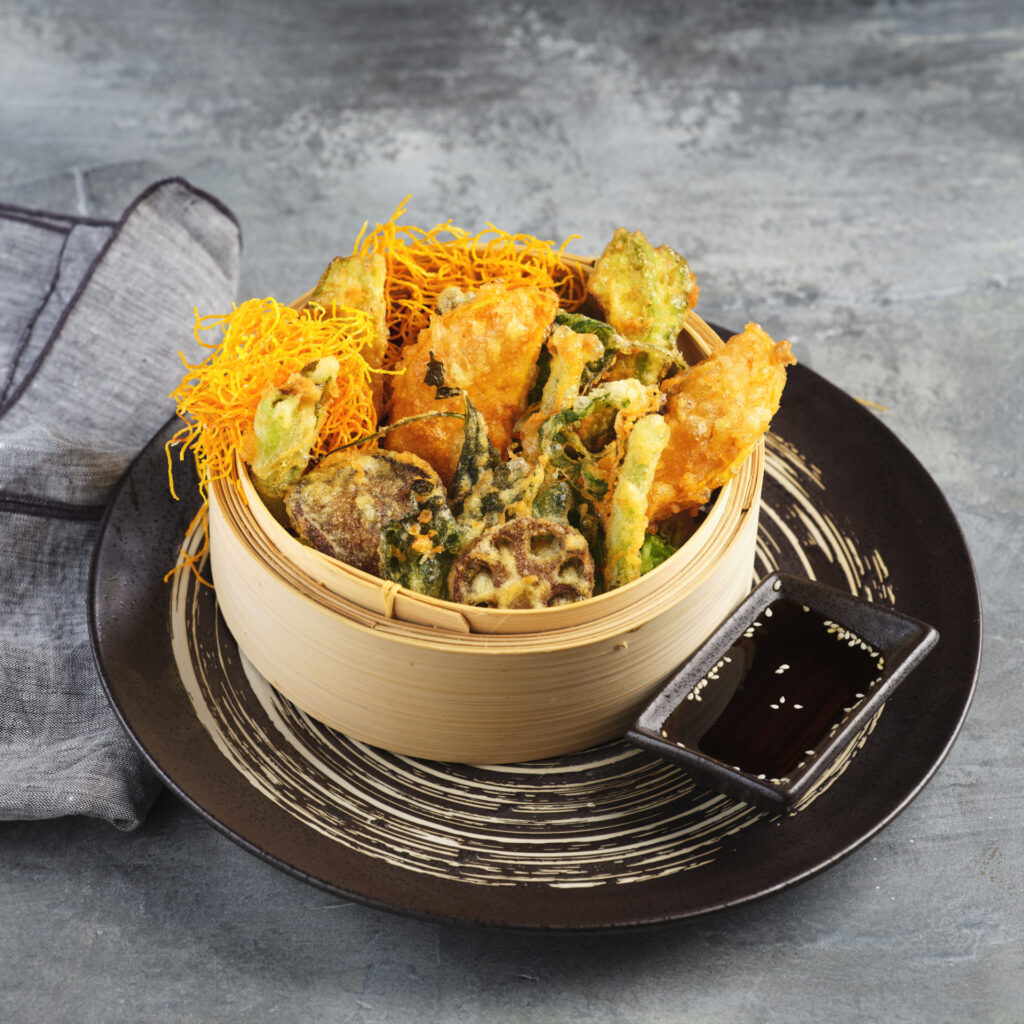
The starters already show how tradition and fusion fit together. Tempura is a classic Japanese preparation in which ingredients are fried in a light batter. At Tsukiji there is ebi tempura, crispy shrimp with homemade sauce, for €7.50 and vegetable tempura for €6.90.
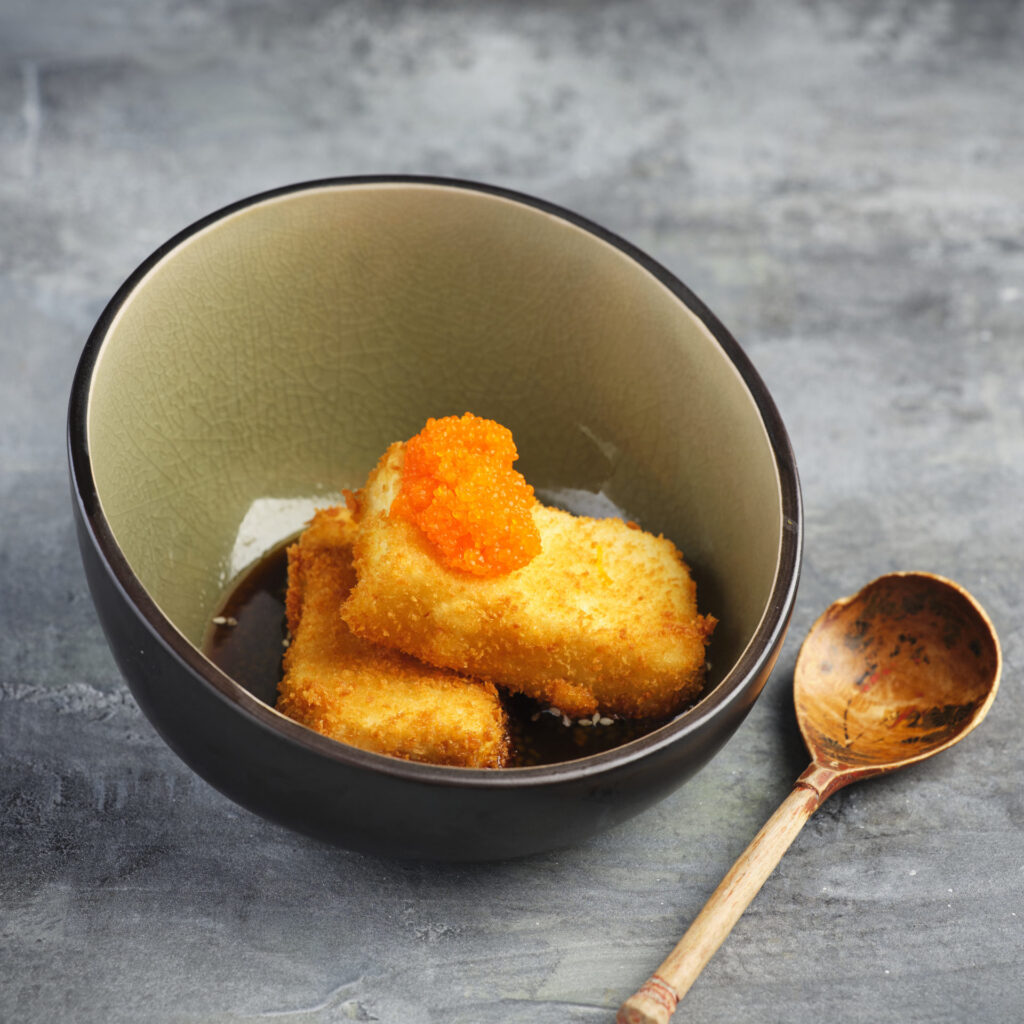
Agedashi tofu is fried silken tofu in dashi sauce and costs €6.50. The sauce, based on the Japanese broth, makes the crispy tofu soft and savoury at the same time.
The Tsukiji Tatar with crunchy rice, salmon, crawfish meat and masago leans more clearly towards Japanese fusion cuisine and costs €9.50. Salmon Tarta with salmon, avocado and masago is also €9.50. Tako karaage, Japanese crispy octopus, is €11.50.
For two or more, the mixed starter platter is a good choice: from 2 people at €11.90 per person, with homemade dumplings, vegan gyoza, Tsukiji tori no karaage, edamame and wakame salad.
The 8 chef’s recommendations at a glance
The heart of the warm kitchen is the chef’s recommendation. Here Japanese ingredients such as miso, yakiniku sauce and wasabi meet mashed potatoes, duck breast and curry. Eight dishes are on offer:
- Tako Classic – grilled octopus, cherry tomatoes, avocado, king oyster mushrooms, coriander, wasabi mashed potatoes: €19.90
- Last Warrior – miso-marinated cod, wasabi mashed potatoes, grilled sweet corn, napa cabbage, snow peas, homemade yakiniku sauce: €15.90
- Smoky Duck – Barbary duck breast with cherry tomatoes, avocado, king oyster mushroom, coriander and wasabi mashed potatoes: €16.90
- Bird Roost – crispy chicken thigh with napa cabbage, snow peas and yakiniku sauce, served with crispy rice and sweet potatoes: €14.90
- Shaolin Tofu – avocado, mango, tofu and fresh vegetables with sweet potatoes and crispy rice: €13.90
- Hokkaido Curry – vegetables, house-recipe curry sauce, sweet potatoes, roasted peanuts and rice; with tofu €13.90, chicken thigh €14.90 or duck breast €16.90
- Japanese udon noodles – fried with vegetables, pak choi, mushrooms, peanuts, fried onions and creamy teriyaki sauce; €13.90 to €16.90 depending on your choice
- Duck on the River – ramen soup in miso broth with corn, soft-boiled egg, bamboo shoots, snow peas, bean sprouts, nori and Barbary duck breast: €16.90
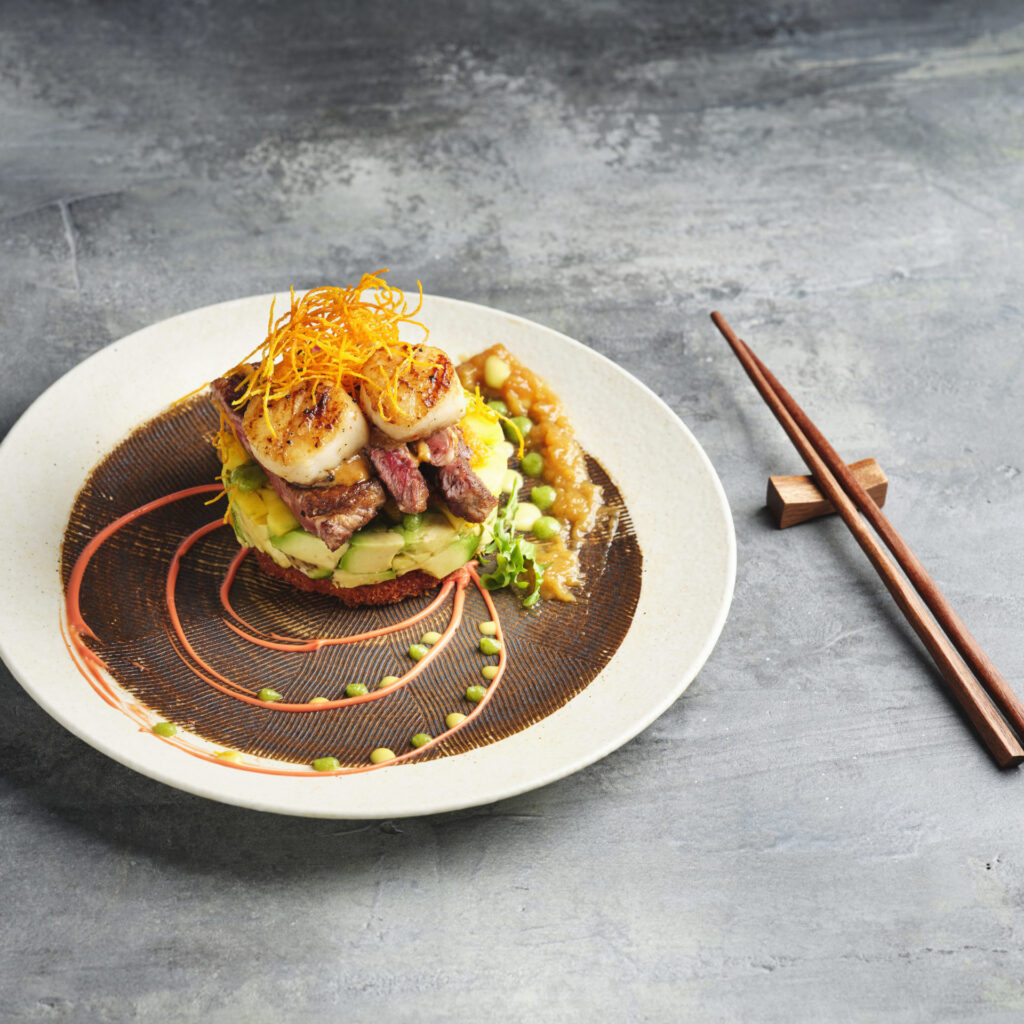
The wasabi mashed potatoes are a good example of Japanese fusion cuisine at work: a European side dish gets a Japanese kick from wasabi. If you prefer vegetarian food, choose Shaolin Tofu or the curry and udon with tofu.
A tip if you come as a group: order two or three dishes from the chef’s recommendation plus a sushi platter for the middle of the table, for example Platter 2 for 2 people at €39.00. That way everyone tries both the warm and the cold side of Japanese fusion cuisine. For children under 12 there is also the kids menu with Crispy Tiger, crispy chicken with sweet potato fries and salad, for €9.90.
Fusion sushi, 3-course menu and dessert
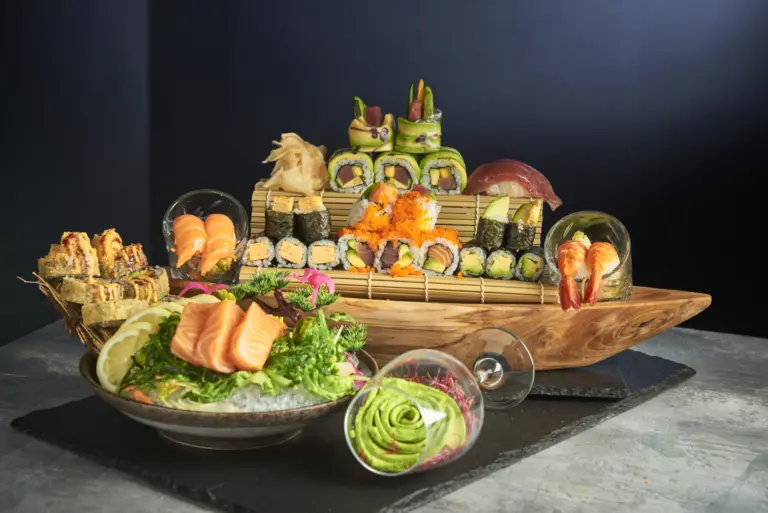
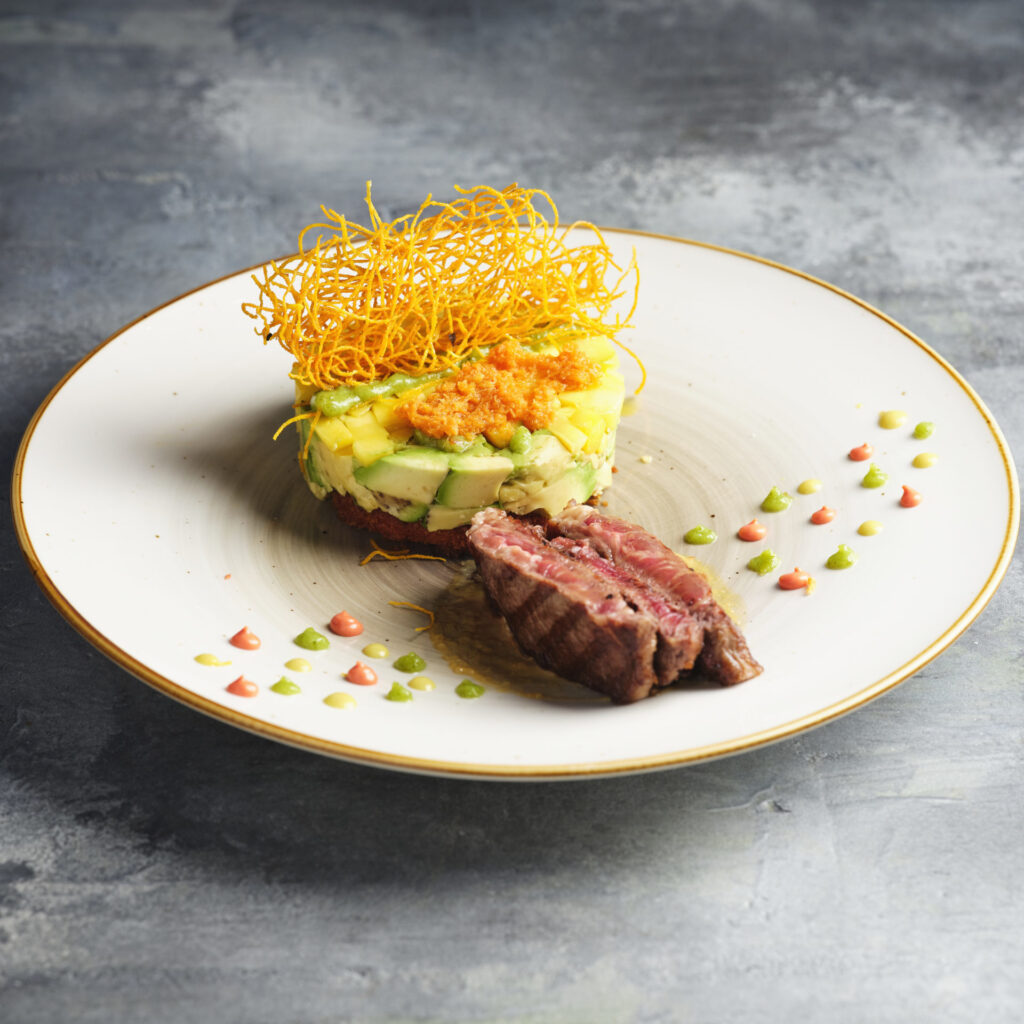
Fusion also plays a big role in the sushi. The special sushi roll Surf and Turf combines crispy shrimp, Philadelphia and avocado with flamed rib-eye steak (8 pieces, €16.90). Drachen Fire with crispy shrimp, mango and flamed salmon costs €13.90. You can read more about nigiri, maki and the sushi platters in our post on sushi at Zülpicher Platz.
If you want to get to know Japanese fusion cuisine over several courses, choose the 3-course menu:
- Menu 1 – starter, chef’s recommendation, dessert: €26.50 per person
- Menu 2 – starter, sushi platter for 1 person (1 nigiri, 8 sushi special, 6 crunchy sushi), dessert: €29.50 per person
Starters to choose from include vegan gyoza, agedashi tofu, edamame and shiro miso; for the main course you can pick Last Warrior, Bird Roost, Shaolin Tofu or Duck on the River. Dessert is Tsukiji Matcha with matcha powder, ladyfingers, mascarpone and raspberries – a Japanese take on the tiramisu idea. Alternatively, Rainbow in Fuji with matcha ice cream, mochi and fresh berries costs €6.90.
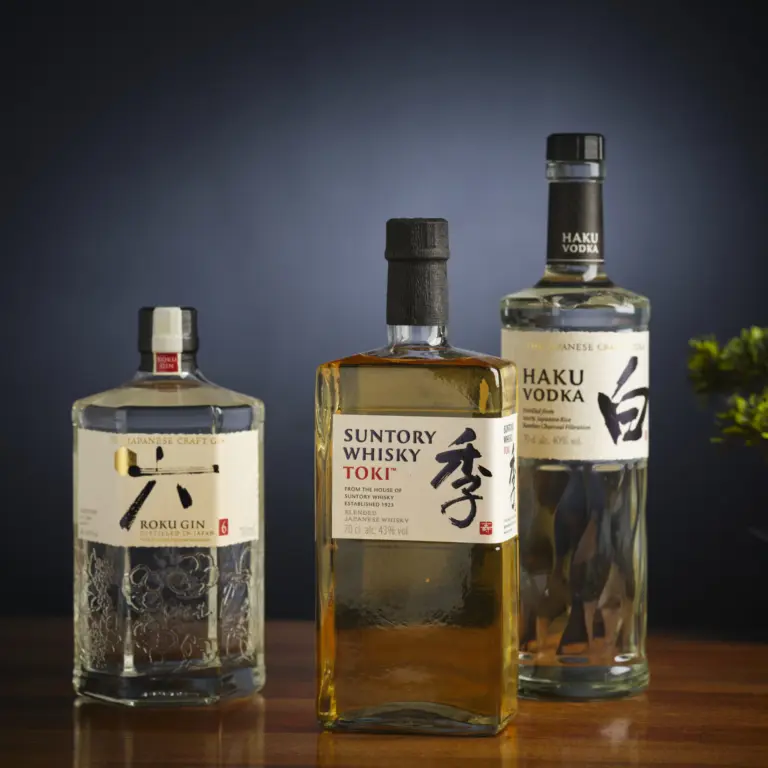
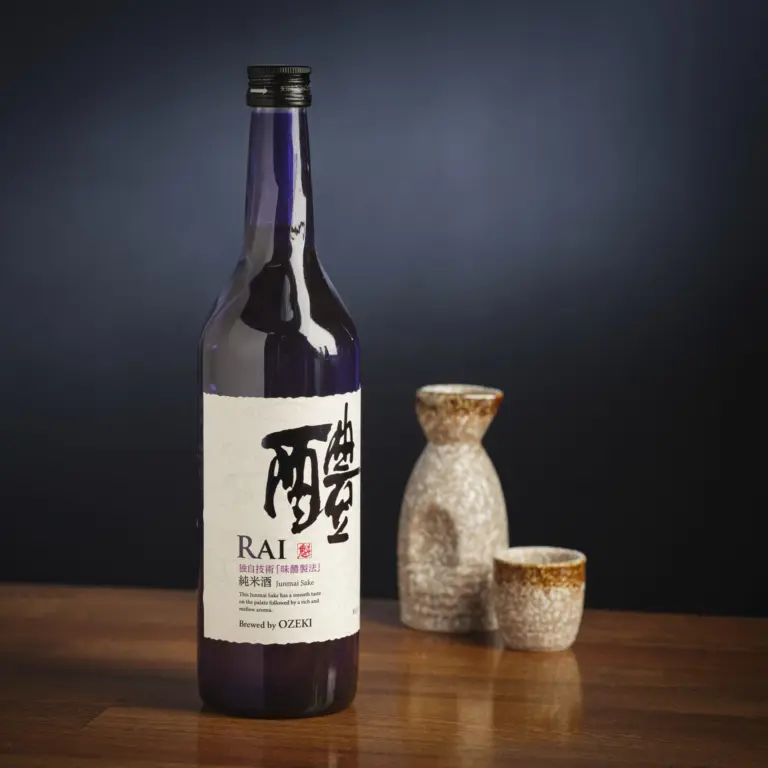
Japanese sake, gin and homemade drinks go well with it. Our sake guide explains which sake varieties are on the menu.
Without alcohol, Yuzu Limonade, Daruma Sunset with passion fruit or Geisa with raspberry and mango juice, €5.50 each, are good choices, as is the Tsukiji tea with fresh ginger, mint, orange, lemon and honey for €3.50. Cocktails such as Tokyo Mule or Yuzu Sour are covered in our post about Japanese gin and cocktails.
Take your time choosing your dishes in advance and book your table online via the reservation page – your booking is valid once we have confirmed it.