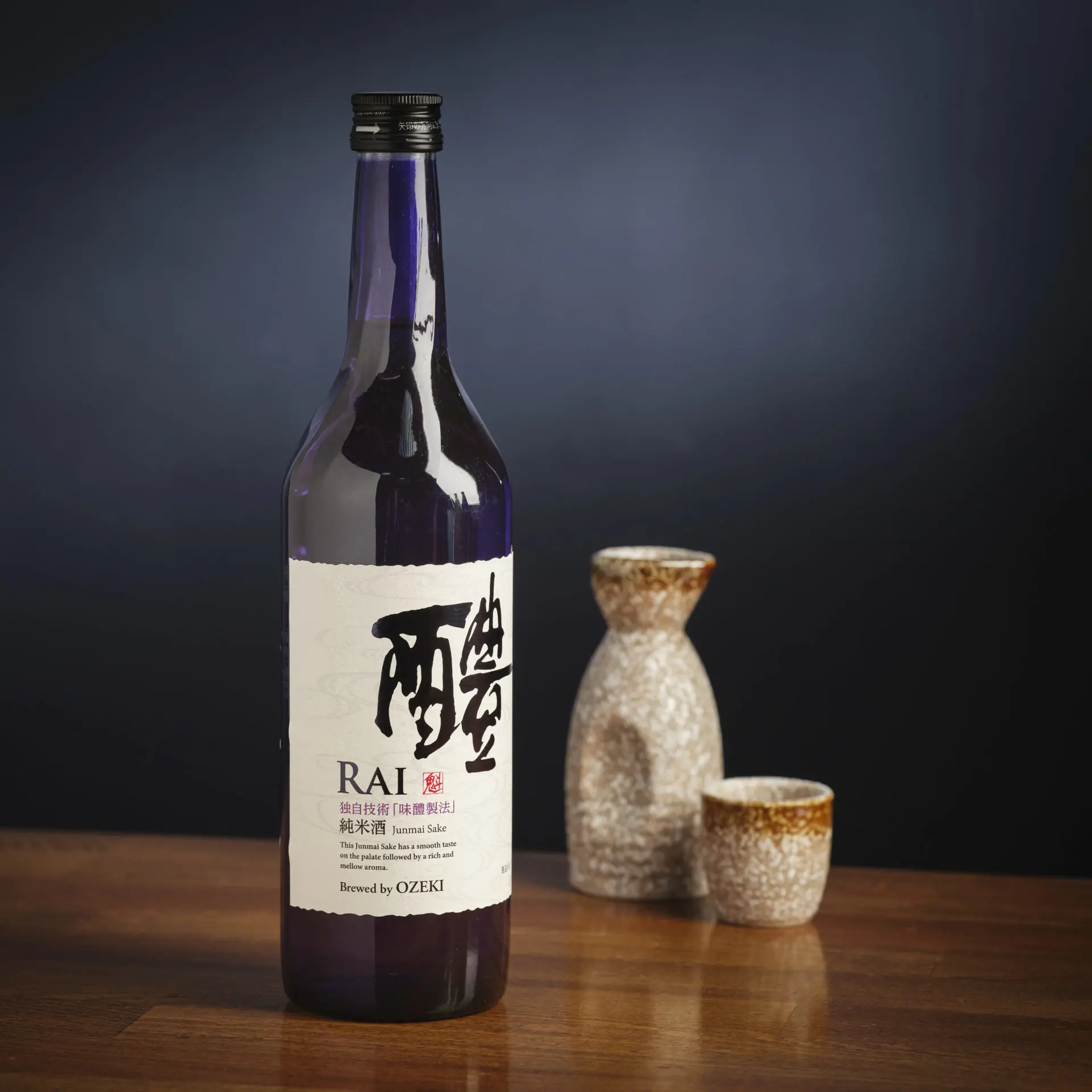
Japanese sake is a brewed drink made from rice, water, yeast and koji – which makes it closer to beer than to wine. At Tsukiji on Zülpicher Platz in Cologne you will find several kinds on the menu, from a classic Junmai and an unfiltered Nigori to the premium sake Dassai.
In this post you will learn how sake is made, what the terms on the label mean and how to enjoy it with sushi and fusion cuisine.
Table of contents
What exactly is Japanese sake?
Sake is often called “rice wine”. Technically that is not quite right: Japanese sake is brewed, not pressed from fruit. Its basic ingredients are rice, water, yeast and koji, a mould called Aspergillus oryzae.
The koji turns the starch in the rice into sugar while the yeast ferments that sugar into alcohol at the same time. This parallel fermentation sets sake brewing apart. The Wikipedia article on sake gives a clear overview of its history, production and styles.
Japanese sake is brewed in many regions of Japan, often by small breweries with a long tradition. Brewing classically takes place in the cool winter months, because low temperatures favour a calm, clean fermentation.
How a sake tastes depends mainly on the rice, the water and how much the rice grains are polished before brewing. More on that in the third section.
Junmai, Honjozo, Nigori: which styles are there?
Sake labels often carry Japanese terms. They describe how a sake was brewed and help you choose. You will meet three of them on our menu.
Junmai
Junmai means “pure rice”. A Junmai is brewed only from rice, water, koji and yeast, with no added alcohol. Our table sake is an Ozeki Junmai, described on the menu as a balanced traditional sake with a full-bodied flavour (100 ml, 7,50 €).
Honjozo
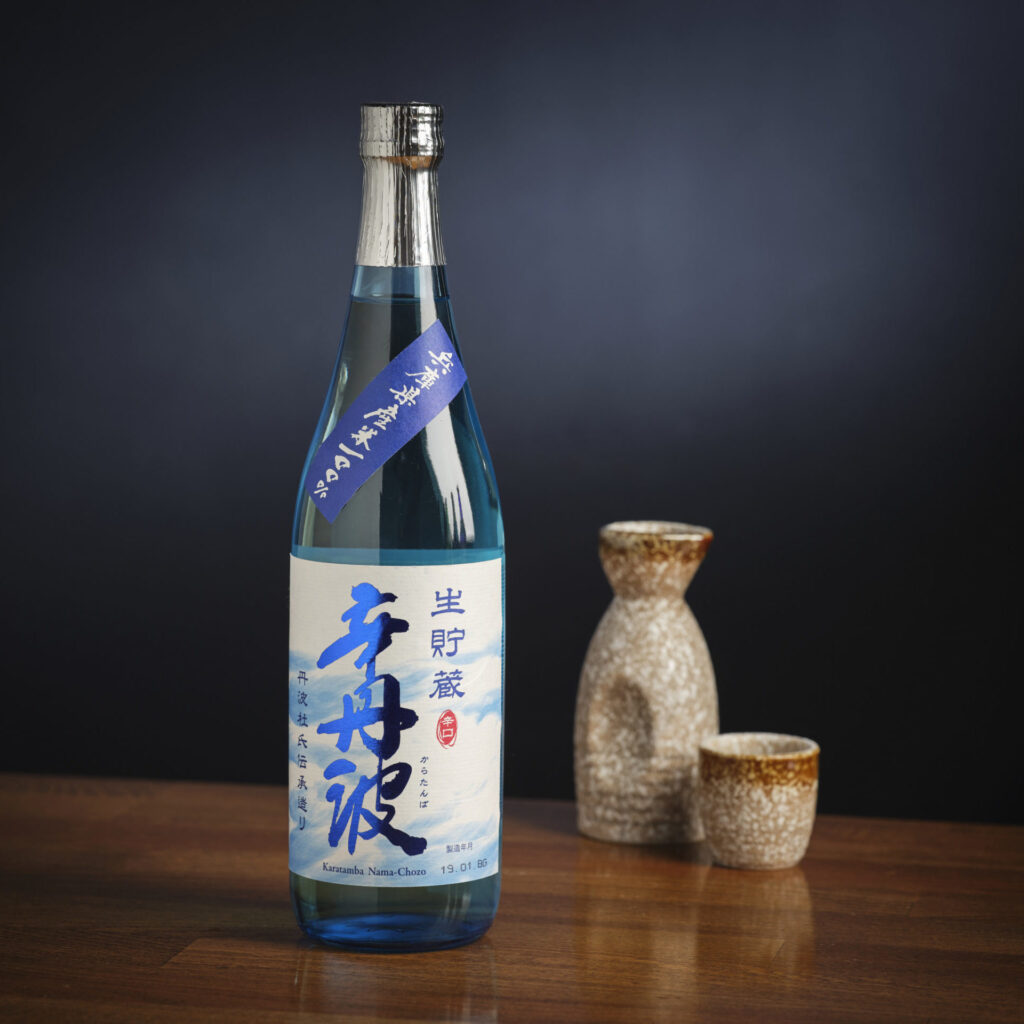
For a Honjozo, a small amount of alcohol is added before pressing, which often makes the sake taste lighter. The menu describes Karatamba as refreshing and light, with a fruity touch and a dry finish (100 ml, 8,50 €). Karatamba Namachozo is pasteurised only once and is mild, fresh and dry according to the menu (100 ml, 8,50 €).
Nigori
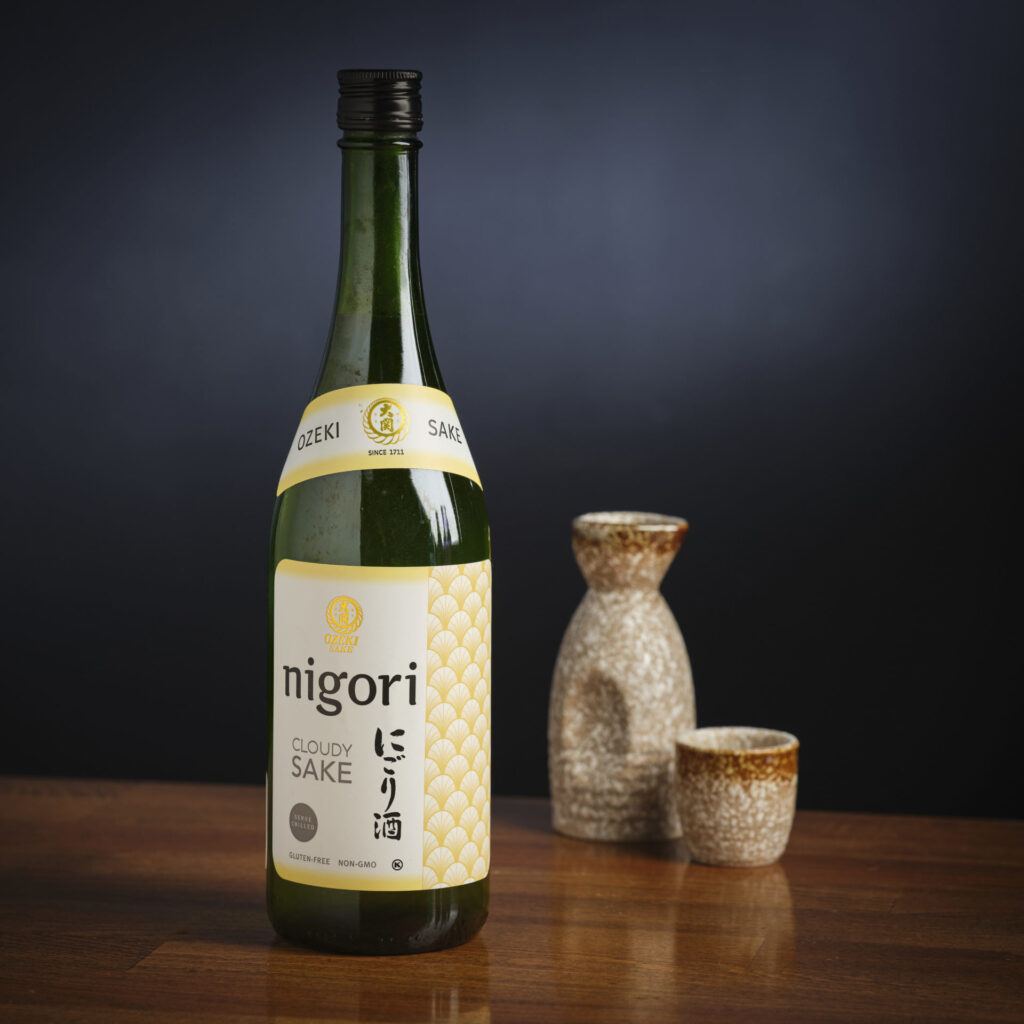
Nigori means “cloudy”. This sake is only coarsely filtered, so fine rice particles stay in the glass. Ozeki Nigori is served cold and, according to the menu, has a rich, creamy and fruity aroma with a hint of tropical fruit (100 ml, 8,50 €).
You will find every kind with its price on our menu under wine & sake.
What does the number on premium sake mean?
Before brewing, the outer layer of the rice grains is milled away. That layer holds fats and proteins that affect the flavour. The more the rice is polished, the finer and cleaner a sake usually turns out. This value is called the polishing ratio.
With Dassai, the number is part of the name. According to our menu, the Yamada Nishiki rice for Dassai 45 is polished down to 45 %, and for Dassai 39 down to 39 %. Yamada Nishiki is a rice variety grown in Japan specifically for sake.
For our premium sake, the menu describes opulent aromas of tropical fruit and fresh apples that give way to a full rice-umami flavour on the palate, with a fine, dry finish.
- Dassai 45: 300 ml, 32,90 €
- Dassai 39: 720 ml, 75,90 €
The larger bottles are good for sharing at the table. A more highly polished rice is not a verdict on quality in itself but a question of style: Japanese sake with a low polishing ratio often seems more fragrant, less polished kinds often fuller and more rice-forward.
Warm or cold: how do you drink sake?
Depending on the style, sake can be served chilled, at room temperature or gently warmed. In Japan, delicate, aromatic kinds are usually served chilled so that their aromas are preserved. We serve our Nigori cold.
Traditionally, sake arrives at the table in a small carafe, the tokkuri, and is drunk from small cups. In Japan it is customary to pour for each other rather than refilling your own cup.
Japanese sake usually has an alcohol content similar to a full-bodied wine. So enjoy it in small sips with your food and drink water alongside. A 100 ml serving is enough for a first impression.
For a first comparison, order two kinds in different styles, such as a clear Junmai and a cloudy Nigori. You will quickly notice which direction you prefer.
If you would rather not drink alcohol, the menu lists Japanese drinks and tea such as Genmaicha, green tea with roasted rice (4,00 €), as well as alcohol-free homemade drinks.
Which sake goes with sushi and fusion cuisine?
Japanese sake is made to accompany food. Its mild acidity and umami flavour suit fish, rice and soy sauce. A dry sake such as Karatamba, which our menu describes as pairing excellently with food, is a good place to start. This is where Japanese sake shows its strength at the table: it accompanies the food without covering it up.
With nigiri and sashimi, many guests choose a clear, dry sake. The creamy Nigori can balance spicy or fried dishes. Read more about our sushi in the post sushi at Zülpicher Platz, and about our kitchen in the post Japanese fusion cuisine.
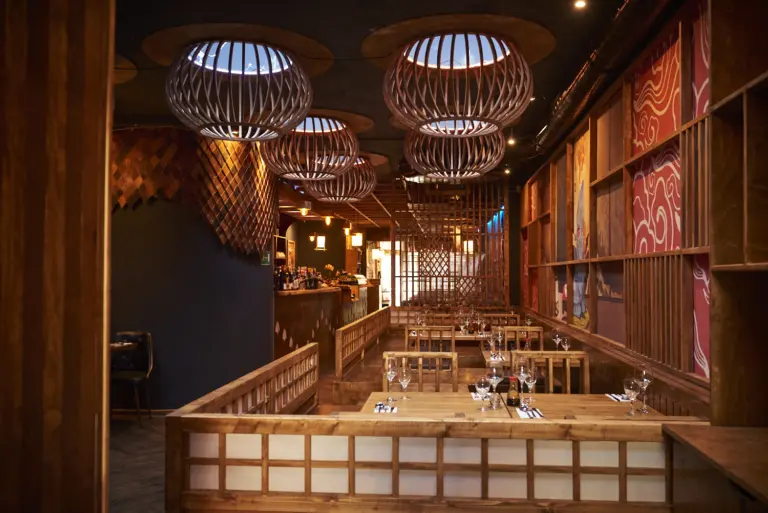
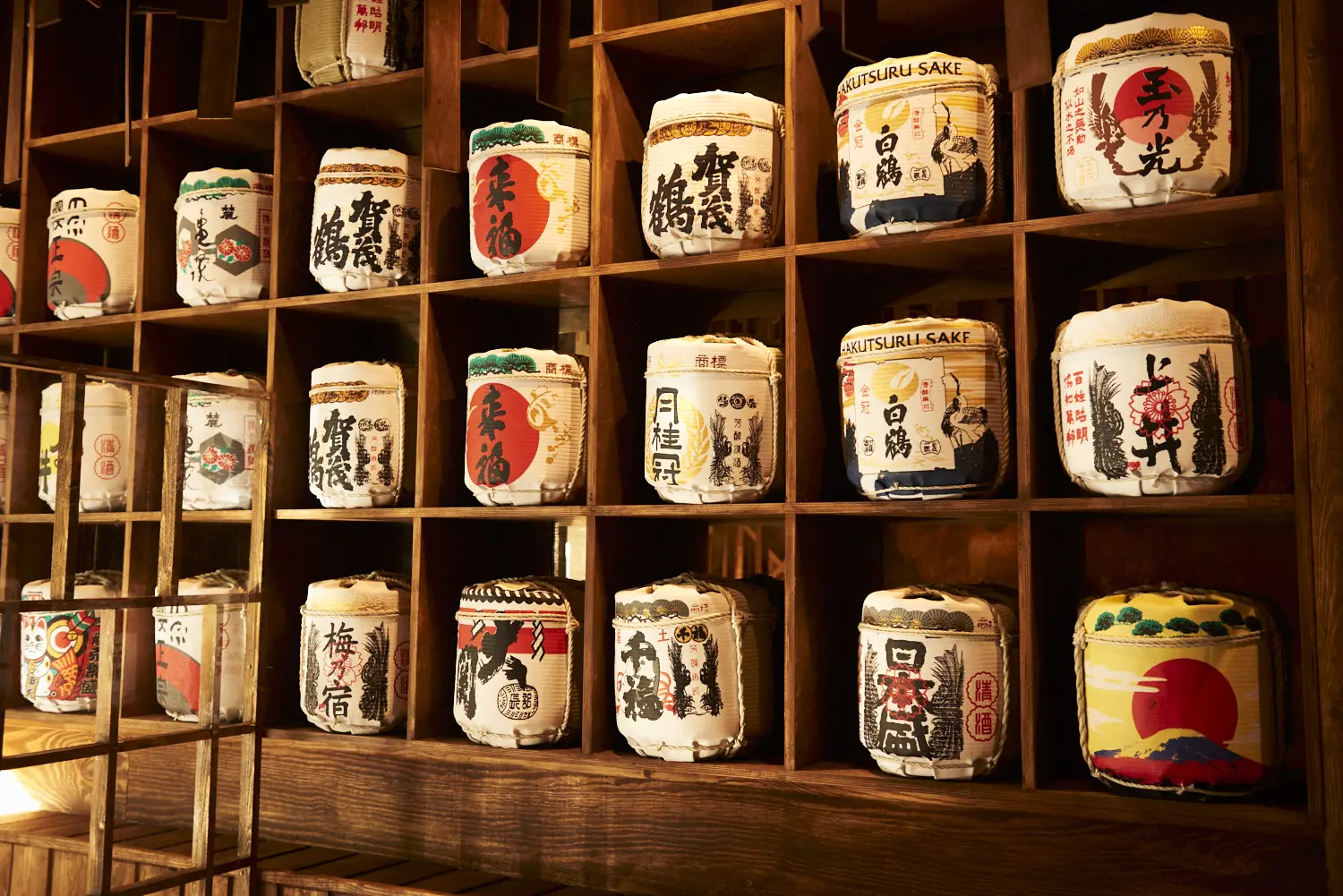
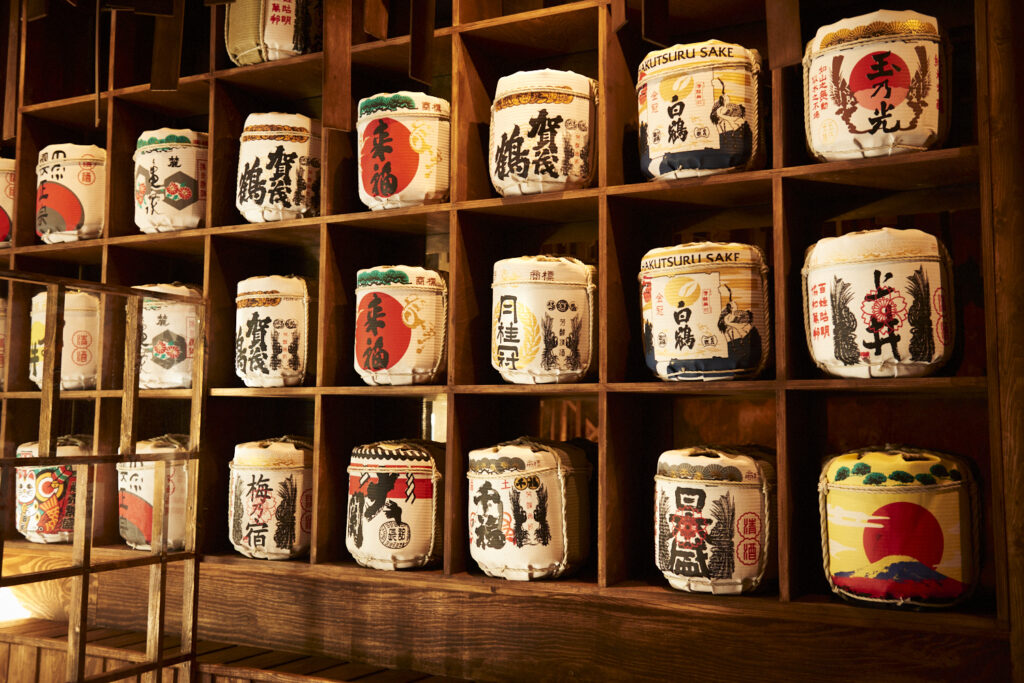
Our gallery gives you an impression of the dining room, the bar and the sake barrels. If you are unsure which sake suits your dish, just ask our team.
You will find us at Zülpicher Platz 4a, 50674 Cologne. The KVB stop Zülpicher Platz is right outside the door. Book online, by form or by phone – your reservation is valid once we have confirmed it.